
Advanced Fraud Detection Systems Transform Gift Card Security: Machine Learning and Biometric Solutions Combat Rising Scam Threats
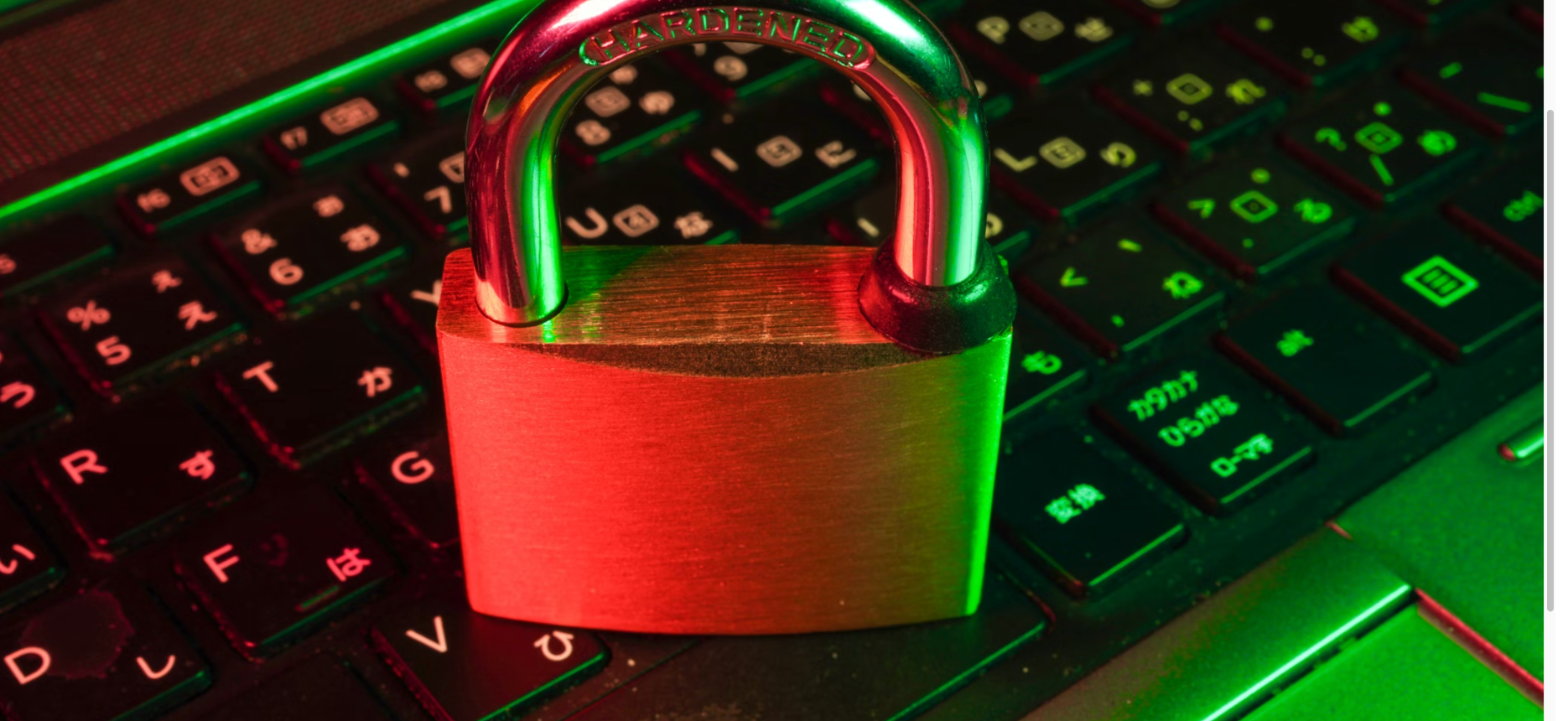
Advanced Fraud Detection Systems Transform Gift Card Security
Gift card fraud has evolved from simple card theft to sophisticated schemes involving social engineering, account takeovers, and organized criminal networks. The industry response has been equally sophisticated, deploying advanced technologies that fundamentally change how fraud is detected and prevented.
The Evolving Threat Landscape
Understanding modern gift card fraud requires recognizing how dramatically threats have evolved. Traditional fraud involved physical card theft or counterfeit cards with stolen codes. Contemporary fraud encompasses complex schemes that exploit digital vulnerabilities and human psychology.
Romance scams convince victims to purchase gift cards as payment to fraudsters posing as romantic interests. Technical support scams impersonate legitimate companies to extract gift card payments from confused consumers. Business email compromise schemes trick employees into purchasing gift cards for purported company purposes.
The FBI reports gift card fraud losses exceeding several hundred million dollars annually in the United States alone, with actual losses likely substantially higher given underreporting.
Machine Learning Detection Systems
Artificial intelligence and machine learning have become primary weapons against gift card fraud. These systems analyze transaction patterns to identify anomalies that human reviewers might miss.
Behavioral Pattern Analysis: Machine learning models establish baseline purchasing behaviors for individual consumers and merchant locations. Deviations from established patterns trigger alerts for additional verification. A consumer who typically purchases small denomination gift cards suddenly buying high-value cards in bulk raises automatic flags.
Velocity Detection: Sophisticated systems track transaction velocity across multiple dimensions. Unusual concentrations of purchases by time, location, card type, or payment method indicate potential fraud requiring investigation.
Network Analysis: Advanced systems map relationships between transactions, accounts, and entities to identify fraud rings. A single address receiving gift cards purchased with multiple payment methods across numerous retail locations suggests organized fraud activity.
Predictive Scoring: Real-time risk scoring evaluates every transaction against thousands of variables, assigning probability scores that determine whether transactions proceed automatically, require verification, or face immediate decline.
Biometric Verification Advances
Biometric technologies are increasingly deployed at critical points in gift card lifecycles to verify legitimate user identity.
Facial Recognition: Some retailers now require facial verification for high-value gift card purchases or redemptions. The technology compares live images against identity documents to confirm purchaser identity.
Voice Authentication: Call center gift card transactions increasingly utilize voice biometrics to verify caller identity. Voiceprints are difficult to forge and provide strong authentication without requiring customers to remember passwords.
Behavioral Biometrics: Subtle patterns in how users type, swipe, and interact with devices create unique behavioral signatures. These passive biometrics continuously verify identity without disrupting user experience.
Retailer Implementation Strategies
Major retailers have implemented comprehensive fraud prevention programs that combine multiple technologies and approaches.
Purchase limits cap the dollar value and quantity of gift cards that can be purchased in single transactions. These limits reduce the potential value of individual fraud incidents while allowing legitimate high-volume purchases through verified channels.
Employee training programs educate retail staff to recognize common fraud scenarios. Employees learn to identify customers who appear coached, distressed, or pressured during gift card purchases.
Warning signage at gift card displays alerts customers to common scams. Simple reminders that legitimate organizations never demand gift card payments interrupt many scam attempts.
Real-time alerts notify loss prevention teams when suspicious patterns emerge at specific locations, enabling rapid intervention before significant losses accumulate.
Platform Security Enhancements
Digital gift card platforms have implemented security measures specific to online environments.
Device fingerprinting identifies unique characteristics of devices used to access accounts, detecting when accounts are accessed from unfamiliar devices that might indicate compromise.
Multi-factor authentication requirements protect account access, preventing unauthorized redemption even if credentials are compromised.
Transaction monitoring systems specific to digital platforms track patterns in account activity, card redemptions, and balance transfers.
Industry Collaboration Initiatives
Effective fraud prevention increasingly requires collaboration across traditional competitive boundaries.
Shared fraud databases allow retailers to identify individuals and patterns associated with fraud across the industry. A fraudster blocked at one retailer cannot simply move to competitors.
Information sharing consortiums facilitate rapid communication about emerging fraud schemes. Early warning about new fraud tactics enables proactive defensive measures.
Law enforcement partnerships enable prosecution of organized fraud rings that individual retailers cannot effectively pursue independently.
Impact on Secondary Markets
Enhanced fraud prevention benefits legitimate secondary market participants by reducing the prevalence of stolen or fraudulently obtained cards in circulation.
Traders can operate with greater confidence when industry-wide fraud prevention reduces the risk of unknowingly purchasing compromised cards. Platforms that verify card legitimacy provide additional protection.
However, enhanced verification requirements can create friction in legitimate secondary market transactions. Traders must balance security benefits against potential transaction delays.
Future Technology Developments
Emerging technologies promise further advances in gift card fraud prevention.
Blockchain-based verification could create immutable records of gift card provenance, making it impossible to introduce fraudulent cards into circulation.
Advanced AI systems will continue improving detection accuracy while reducing false positives that inconvenience legitimate customers.
Collaborative real-time monitoring across the entire gift card ecosystem could enable instantaneous response to emerging fraud patterns.
The ongoing technological arms race between fraudsters and prevention systems will continue driving innovation in gift card security.
Ready to Trade Gift Cards?
Join thousands of users who trust Inwish for safe and convenient gift card trading.
Related Articles

February 23, 2026
How to Convert Home Depot Gift Cards to Cash or Crypto on Digital Exchanges (2026)

February 23, 2026
Google Play Gift Card Region Locks: Cross-Border Trading Rules and Workarounds (2026)

February 22, 2026
How to Save on Foot Locker Sneaker Drops Using Discounted Gift Cards (2026)

February 21, 2026
eBay Gift Card Balance Check: How to Verify, Troubleshoot, and Prepare Cards for Trading (2026)
February 21, 2026
Your First Gift Card Trade on a Digital Asset Exchange: Step-by-Step Walkthrough (2026)

February 21, 2026