
Amex Prepaid Gift Card Acceptance and Corporate Rewards: Where to Spend and How to Trade for Maximum Value
What Is an Amex Prepaid Gift Card?
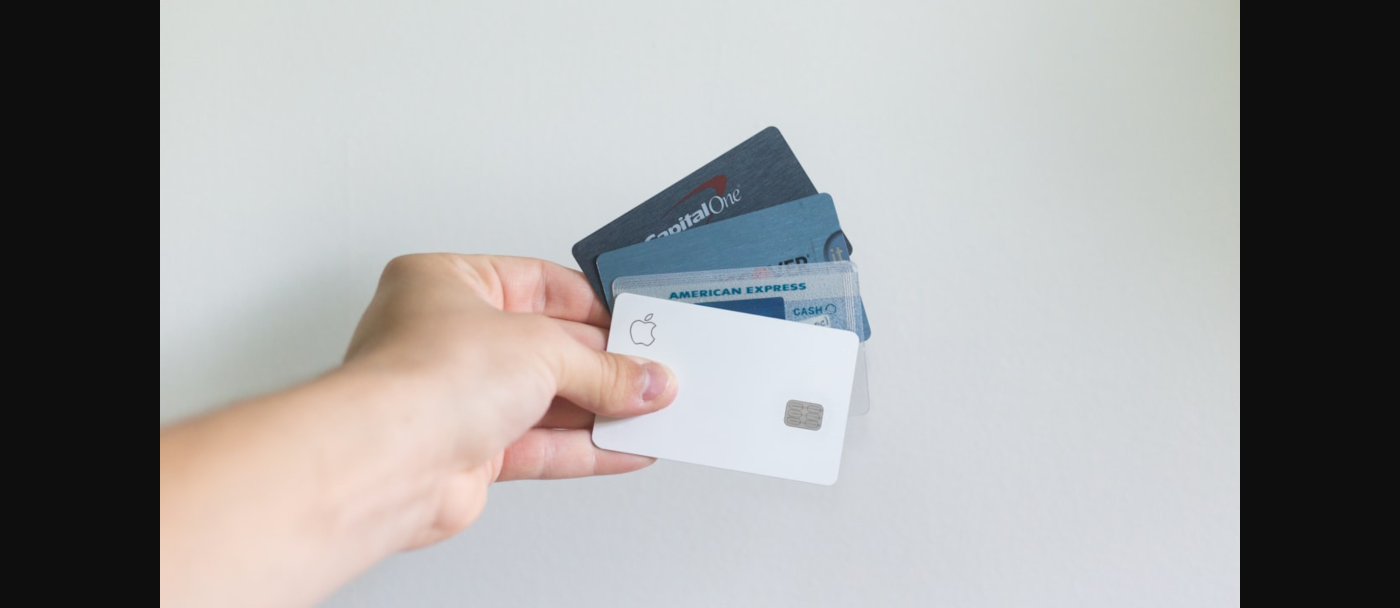
An American Express prepaid gift card is a non-reloadable, stored-value card that carries the Amex network logo and can be used virtually anywhere American Express is accepted. Unlike credit cards tied to a revolving line of credit, Amex gift cards function on a prepaid basis: the purchaser loads a fixed dollar amount at the time of purchase, and the recipient spends down that balance until the funds are exhausted. The cards are issued by participating banks under license from American Express and are available in both physical plastic form and digital eGift card format.
What distinguishes Amex gift cards from Visa or Mastercard prepaid alternatives is the acceptance network. American Express operates its own closed-loop payment rail, which means the card is processed through the Amex network rather than through Visa or Mastercard interchange systems. This distinction matters because certain merchants — particularly smaller independent retailers and some international vendors — may not accept American Express. However, the Amex acceptance footprint has expanded dramatically over the past decade, and the vast majority of major retailers, restaurants, airlines, hotels, and online merchants throughout the United States and Canada now process Amex transactions without issue. Understanding where and how these cards work is essential for anyone who receives one as a gift, earns one through a corporate incentive program, or considers trading one on the secondary market.
Common Values, Denominations, and Regional Availability
Amex prepaid gift cards are sold in fixed denominations and variable-load formats depending on the purchase channel. Fixed denominations typically come in round-number increments: twenty-five dollars, fifty dollars, seventy-five dollars, one hundred dollars, one hundred fifty dollars, and two hundred dollars. Variable-load cards allow the purchaser to choose a custom amount, generally between twenty-five and three thousand dollars, making them especially popular for corporate incentive programs and bulk orders.
Physical Amex gift cards are available at grocery chains, pharmacies, office supply stores, wholesale clubs, and convenience stores across the United States and parts of Canada. Major retail partners include CVS, Walgreens, Safeway, Kroger, Staples, and Costco, though availability at individual locations can vary by state and inventory. Digital eGift cards can be purchased directly through the American Express gift card website and are delivered by email, usually within minutes of order confirmation.
Corporate and institutional purchasers represent a significant portion of Amex gift card volume. Businesses order bulk Amex gift cards for employee recognition awards, sales performance incentives, client appreciation gestures, and holiday bonus distributions. American Express offers dedicated corporate accounts with volume discounts, custom card artwork, personalized messages, and expedited shipping for large orders. These corporate-issued cards carry the same spending functionality as retail-purchased cards but often come in higher denominations and branded packaging.
Regional availability outside North America is more limited. While Amex gift cards purchased in the United States can technically be used at any merchant worldwide that accepts American Express, the cards are primarily marketed and sold within the U.S. domestic market. International purchasers looking for Amex-branded prepaid products may encounter different product lines or regional restrictions depending on their country of residence.
How to Spend, Redeem, and Trade Amex Gift Cards
Spending an Amex gift card in person is straightforward: present the card at any point-of-sale terminal that displays the American Express acceptance mark, and the transaction amount is deducted from the remaining balance. For online purchases, enter the card number, expiration date, and the three- or four-digit security code printed on the card, just as you would with a standard credit card. One important nuance is that the billing address for an Amex gift card must be registered through the American Express website before the card can be used for online or phone orders. This registration step catches many first-time users off guard and can result in declined transactions if skipped.
When the remaining balance on an Amex gift card is less than the total purchase price, most merchants allow split-tender transactions. This means you can pay the partial amount with the gift card and cover the difference with another payment method. Some online retailers, however, do not support split payments, so checking the remaining balance before attempting a purchase is advisable. Balance inquiries can be performed online at the American Express gift card portal, by calling the customer service number on the back of the card, or through certain third-party balance-check tools.
Trading Amex gift cards on the secondary market is a popular option for recipients who prefer cash or a different brand of card. Platforms like INWISH allow cardholders to list their Amex gift cards for sale at a percentage of face value. The typical resale rate for Amex gift cards ranges between eighty-five and ninety-two percent of face value, depending on the card denomination, current market demand, and whether the card is physical or digital. Digital eGift cards tend to trade slightly higher because they can be verified and delivered instantly. To trade an Amex gift card, the seller typically creates an account on the exchange platform, enters the card details, receives a valuation quote, and completes the sale once a buyer matches the listing. Payouts are usually delivered via direct deposit, PayPal, cryptocurrency, or platform credit within hours of the transaction closing.
The redemption workflow for corporate reward recipients follows a slightly different path. Many corporate incentive programs issue Amex reward cards with specific activation instructions, registration requirements, and usage terms that may differ from standard retail gift cards. Corporate recipients should review the welcome materials included with the card and complete any required activation steps before attempting to use or trade the card.
Risks, Fraud Prevention, and Common Pitfalls
Amex gift cards are a frequent target for fraud schemes because they carry recognized brand value and can be spent anonymously. The most common fraud vector involves scammers convincing victims to purchase Amex gift cards and read the card numbers aloud over the phone. This social engineering tactic is used in IRS impersonation scams, tech support fraud, romance scams, and fake prize notifications. Once a scammer obtains the card number and security code, they can drain the balance within minutes through online purchases or by selling the card details on underground marketplaces. The golden rule is simple: no legitimate government agency, utility company, or technology firm will ever request payment in gift cards.
Physical card tampering is another risk. Fraudsters in retail environments may photograph or copy card numbers from packaging before the card is sold, then monitor the card for activation. Once a legitimate purchaser loads funds onto the card, the fraudster uses the copied credentials to spend the balance. To protect against this, always inspect the packaging for signs of tampering — scratched-off security strips, resealed plastic wrap, or misaligned barcodes — and purchase cards from behind-the-counter displays or reputable online sources.
For secondary market traders, the primary risk is receiving a card with a disputed or frozen balance. Some Amex gift cards can be flagged for fraud or chargebacks after they enter the trading ecosystem, which can result in the balance being locked or reversed. Reputable trading platforms mitigate this risk through escrow systems, balance verification protocols, and buyer protection guarantees. Always trade through established platforms rather than peer-to-peer arrangements on social media or classified ads.
Additional pitfalls include dormancy fees and expiration timelines. Federal regulations under the CARD Act prohibit gift card expiration within five years of purchase and restrict inactivity fees for the first twelve months. However, Amex gift cards may still carry a monthly service fee after twelve consecutive months of inactivity, which gradually erodes the balance. The best practice is to use or trade the card promptly after receiving it to preserve the full value.
Frequently Asked Questions
Can I use an Amex gift card at any store? You can use an Amex gift card at any merchant that accepts American Express. While the vast majority of major retailers, restaurants, and online merchants in the United States accept Amex, some smaller independent businesses and certain international vendors may not. Always look for the American Express acceptance logo at the point of sale or check with the merchant before attempting a transaction.
Do I need to register my Amex gift card before using it online? Yes. Most Amex gift cards require you to register a billing address through the American Express gift card website before the card can be used for online, phone, or mail-order purchases. Without registration, online transactions will likely be declined because the billing address verification will fail. In-store purchases at physical terminals generally do not require prior registration.
What is the typical resale rate for Amex gift cards on trading platforms? Amex gift cards typically trade at eighty-five to ninety-two percent of face value on reputable exchange platforms. The exact rate depends on card denomination, market demand, whether the card is physical or digital, and the payout method selected by the seller. Higher denomination cards and digital formats tend to command better rates.
How do I check my Amex gift card balance? You can check your balance by visiting the American Express gift card website and entering your card number and security code, by calling the toll-free number printed on the back of the card, or by asking a cashier to run a balance inquiry at a participating retail location. Some third-party apps and websites also offer balance-check services for Amex prepaid cards.
Are there any fees associated with Amex gift cards? Amex gift cards typically carry a one-time purchase fee ranging from three to seven dollars depending on the denomination and purchase channel. After activation, no fees apply for the first twelve months. After twelve months of inactivity, a monthly service fee may be charged against the remaining balance. These fee structures are governed by federal regulations and must be clearly disclosed on the card packaging at the time of purchase.
Conclusion
American Express prepaid gift cards occupy a distinctive position in the gift card landscape, combining the trust and recognition of the Amex brand with broad merchant acceptance across the United States. Whether you received an Amex gift card as a personal gift, earned one through a corporate rewards program, or purchased one for your own use, understanding the acceptance network, registration requirements, and trading options ensures you extract maximum value from every dollar loaded onto the card. For those who prefer cash or a different card brand, trading platforms like INWISH provide a fast, secure, and transparent pathway to convert your Amex balance into the payment method that works best for you. Register your card, verify your balance, and take action today to make the most of your American Express gift card.
Ready to Trade Gift Cards?
Join thousands of users who trust Inwish for safe and convenient gift card trading.
Related Articles

February 23, 2026
How to Convert Home Depot Gift Cards to Cash or Crypto on Digital Exchanges (2026)

February 23, 2026
Google Play Gift Card Region Locks: Cross-Border Trading Rules and Workarounds (2026)

February 22, 2026
How to Save on Foot Locker Sneaker Drops Using Discounted Gift Cards (2026)

February 21, 2026
eBay Gift Card Balance Check: How to Verify, Troubleshoot, and Prepare Cards for Trading (2026)
February 21, 2026
Your First Gift Card Trade on a Digital Asset Exchange: Step-by-Step Walkthrough (2026)

February 21, 2026