
BTC Gift Card Fees: Network Costs, Confirmation Delays, and Rate Optimization Tips
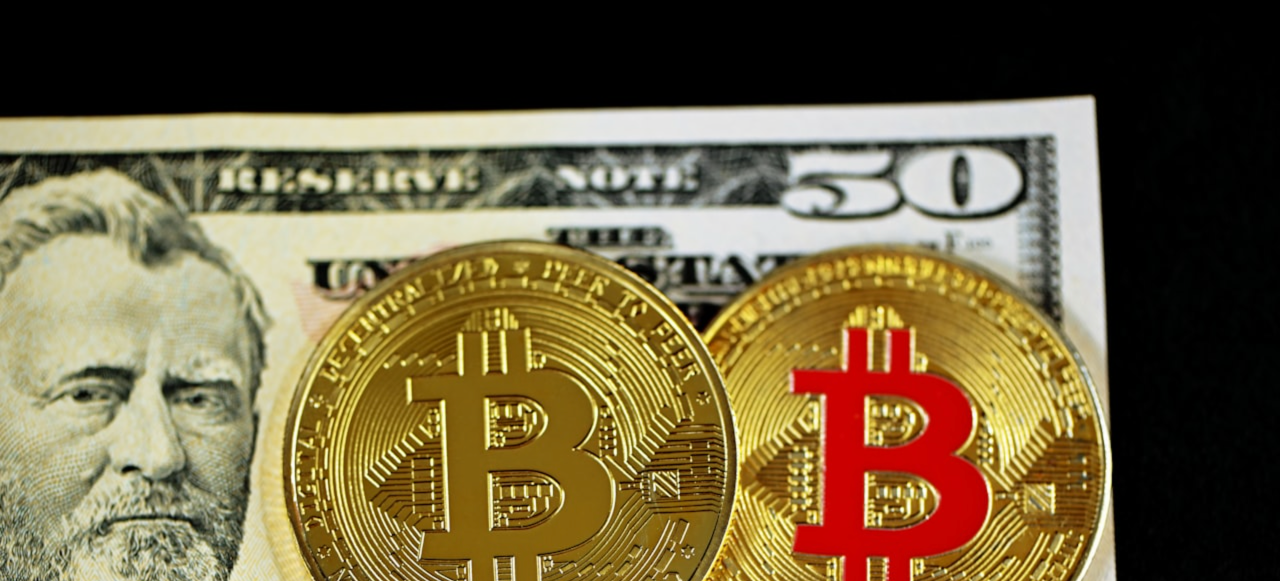
Bitcoin remains one of the most popular payment methods for buying and selling gift cards on peer-to-peer marketplaces. While BTC offers borderless transactions and privacy advantages, the associated costs can erode your margins if you do not plan carefully. Network fees, confirmation delays, and volatile exchange rates all introduce hidden expenses that many traders overlook. This guide breaks down every cost layer involved in BTC-to-gift-card transactions and provides actionable strategies to keep more value in your wallet.
Understanding BTC Network Fees in Gift Card Transactions
Every Bitcoin transaction requires a miner fee to be processed and confirmed on the blockchain. This fee is not fixed; it fluctuates based on network congestion, transaction data size, and the priority level you select. During high-traffic periods, fees can spike from under one dollar to fifteen dollars or more for a single standard transaction.
When purchasing a fifty-dollar gift card with Bitcoin, a network fee of eight dollars represents a sixteen percent surcharge before the platform even applies its own spread. Traders who execute multiple small transactions throughout the week can lose fifty to one hundred dollars monthly in miner fees alone. Batching purchases into fewer, larger transactions is one of the simplest ways to reduce this overhead.
Most gift card platforms display the network fee estimate before you confirm payment. Always check this number and compare it against the card's face value. A general rule is to keep the network fee below three percent of the transaction total. If the fee exceeds that threshold, consider waiting for a lower-congestion window or switching to a Layer 2 solution like the Lightning Network, which settles payments for fractions of a cent.
Confirmation Times and Their Impact on Trade Execution
Bitcoin blocks are mined approximately every ten minutes, but gift card platforms typically require between one and three confirmations before releasing the card code or balance. That means your transaction could take anywhere from ten minutes to over an hour depending on network conditions and the platform's confirmation policy.
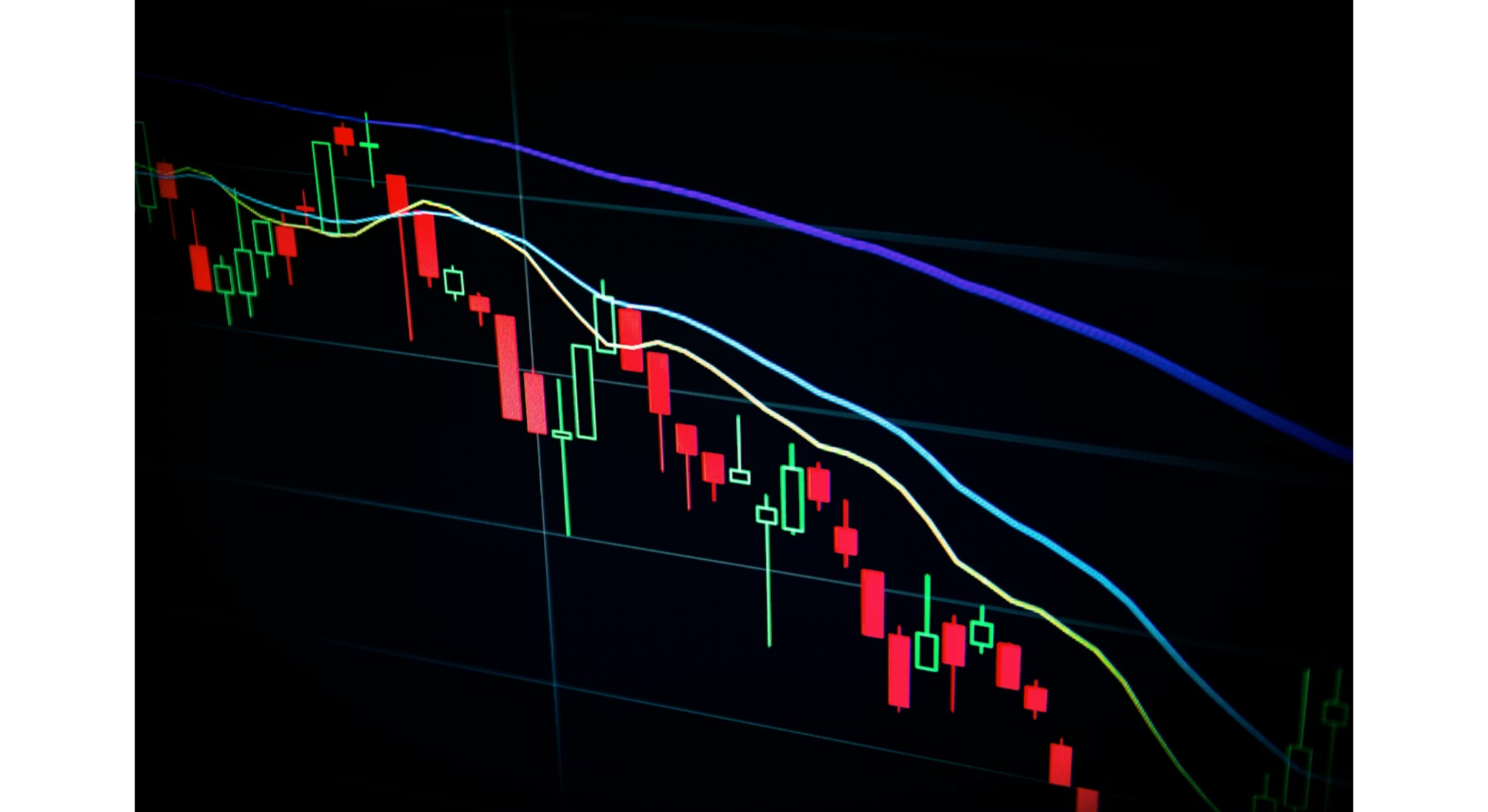
During that waiting period, the BTC exchange rate continues to move. If Bitcoin drops two percent while you wait for three confirmations, the effective cost of your gift card increases by that same percentage. Conversely, a price increase during confirmation works in your favor, but relying on favorable volatility is not a sustainable strategy.
Some platforms offer zero-confirmation acceptance for small transactions below a certain threshold, often around twenty-five to fifty dollars. These instant-release trades eliminate confirmation risk entirely but may come with a slightly higher platform spread to offset the merchant's chargeback exposure. For time-sensitive purchases, the premium on instant release often proves worthwhile.
To minimize confirmation delays, set your transaction fee to the medium-priority tier during off-peak hours, typically between two and six AM UTC on weekdays. Transaction accelerators offered by certain mining pools can also push a stuck transaction through for an additional fee of three to five dollars.
Exchange Rate Spreads and Platform Markups
The BTC price you see on a market ticker like CoinGecko or CoinMarketCap is the mid-market rate. No gift card platform sells cards at this exact rate. Every platform applies a spread, which is the difference between the mid-market BTC price and the rate at which they convert your Bitcoin into card value.
Spreads on major gift card marketplaces range from 1.5 percent to eight percent depending on the card brand, denomination, and current demand. High-demand cards from retailers like Amazon or Apple typically carry tighter spreads of 1.5 to three percent, while niche or regional cards may see spreads of five to eight percent. Inwish publishes its rates transparently, allowing traders to compare spreads before committing to a transaction.
Beyond the spread, some platforms add a flat processing fee of one to two dollars per order. When buying a ten-dollar card, a two-dollar flat fee adds twenty percent to your cost. This is why consolidating smaller purchases into a single larger-denomination card almost always saves money. A single hundred-dollar card with a two-dollar fee costs two percent in fees, compared to ten percent on a ten-dollar card.
Transaction Cost Breakdown Example
Consider a trader purchasing a one-hundred-dollar Amazon gift card using BTC when the mid-market Bitcoin price is sixty-two thousand dollars:
- Mid-market card value in BTC: 0.001613 BTC
- Platform spread (2.5%): adds 0.0000403 BTC (~$2.50)
- Network miner fee (medium priority): ~$3.20 (0.0000516 BTC)
- Flat processing fee: $1.00 (0.0000161 BTC)
- Total BTC spent: 0.001721 BTC
- Effective cost: $106.70 for a $100 card
- All-in fee percentage: 6.7%
By switching to a low-congestion period and using Lightning Network where supported, the same trader could reduce the miner fee to under ten cents and the total cost to approximately $103.60, cutting the all-in fee to 3.6 percent.
Strategies to Reduce BTC Gift Card Transaction Costs
Lowering your cost-per-trade requires attention to timing, technology, and platform selection. The following approaches can save experienced traders hundreds of dollars annually.
Use the Lightning Network whenever available. Lightning payments settle in seconds with fees measured in satoshis rather than dollars. More gift card platforms are adopting Lightning as a payment rail. Check whether your preferred marketplace supports it before defaulting to an on-chain transfer.
Batch your purchases. Instead of buying three twenty-five-dollar cards in separate transactions, purchase a single seventy-five or hundred-dollar card. You pay one network fee instead of three, and the flat processing fee applies once rather than three times.
Time your transactions. Bitcoin network congestion follows predictable patterns. Weekday mornings in UTC tend to have lower fee environments than weekend evenings. Monitoring a mempool visualizer helps you identify optimal windows for broadcasting your transaction.
Compare platform rates before each trade. Spreads change daily based on card inventory and demand. A platform offering a two percent spread on Monday might adjust to four percent by Friday if inventory runs low. Bookmarking two or three trusted marketplaces and checking rates across all of them takes only a few minutes and can save meaningful amounts over time.
Lock in rates with pre-funded wallets. Some platforms allow you to deposit BTC into a platform wallet and lock the conversion rate at the time of deposit rather than at the time of purchase. This eliminates exchange rate risk during confirmation delays and lets you buy cards instantly from your pre-funded balance.
Security Considerations When Paying With BTC
Bitcoin transactions are irreversible once confirmed. This finality protects sellers but means buyers must verify every detail before broadcasting a payment. Sending BTC to the wrong address or falling for a phishing link results in permanent loss with no chargeback option.
Always confirm the deposit address provided by the gift card platform matches the address displayed on your wallet's send screen. Copy and paste rather than typing manually, and verify the first and last six characters of the address visually. Some malware variants are designed to swap clipboard addresses, redirecting your payment to an attacker's wallet.
Use a dedicated wallet for gift card trading rather than your long-term savings wallet. This limits exposure if a platform is compromised and makes it easier to track your trading expenses separately. Hardware wallets offer the strongest security for stored funds, while mobile wallets with Lightning support provide convenience for frequent small purchases. For a broader understanding of how crypto payments integrate with gift card purchasing, review the platform-specific guides available on Inwish.
Traders who are new to BTC-funded gift card buying should also familiarize themselves with common scam tactics used in peer-to-peer card trading. Recognizing fake escrow services, counterfeit card codes, and social engineering attempts protects both your Bitcoin and your purchased cards.
Comparing BTC With Other Crypto Payment Options
Bitcoin is not the only cryptocurrency accepted on gift card platforms. Ethereum, USDT, USDC, and Litecoin are common alternatives, each with different fee structures and confirmation times. Understanding how BTC compares helps you choose the most cost-effective payment method for each transaction.
Ethereum gas fees fluctuate even more dramatically than Bitcoin miner fees, sometimes exceeding twenty dollars during DeFi activity spikes. Stablecoins like USDT on the Tron network offer near-zero fees and fast confirmations but introduce counterparty risk tied to the stablecoin issuer. Litecoin provides lower fees and faster block times than Bitcoin but has less liquidity on many platforms.
For traders who prefer Bitcoin's decentralization and liquidity, the Lightning Network narrows the cost gap considerably. A Lightning-enabled BTC payment costs less than most Tron-based stablecoin transfers while maintaining Bitcoin's censorship resistance and deep market liquidity.
If your primary goal is minimizing fees on a single large purchase, stablecoins on low-fee networks often win. If you value privacy, decentralization, and long-term asset appreciation, BTC with Lightning remains the strongest option. Many experienced traders maintain balances in both BTC and a stablecoin, choosing the cheapest rail for each individual transaction. A comprehensive step-by-step guide to buying gift cards with Bitcoin covers the complete process from wallet setup to card redemption.
Frequently Asked Questions
What is the average BTC network fee for a gift card purchase?
Network fees vary with congestion but typically range from one to eight dollars for a standard on-chain transaction. During peak periods fees can exceed fifteen dollars. Using the Lightning Network reduces fees to under ten cents for most gift card purchases.
How long does a BTC gift card transaction take to confirm?
Most platforms require one to three confirmations, which takes approximately ten to forty-five minutes under normal network conditions. Some platforms offer zero-confirmation instant release for transactions below twenty-five to fifty dollars with a slightly higher spread.
Can I avoid exchange rate fluctuations during confirmation?
Yes. Some platforms allow you to pre-fund an account wallet and lock the BTC conversion rate at deposit time. This eliminates rate movement risk during the confirmation window and lets you purchase cards instantly from your locked balance.
Is the Lightning Network safe for gift card payments?
The Lightning Network is a well-established Layer 2 protocol with years of production use. It is safe for everyday transactions and is increasingly supported by major gift card platforms. Payments settle in seconds and fees are negligible, making it ideal for frequent small-to-medium purchases.
How do I know if a gift card platform's BTC spread is fair?
Compare the platform's quoted BTC-to-card rate against the current mid-market price on CoinGecko or CoinMarketCap. A spread of 1.5 to three percent is competitive for popular card brands. Spreads above five percent may be acceptable for rare or high-demand cards but warrant comparison shopping across multiple platforms.
Should I use BTC or stablecoins for gift card purchases?
It depends on your priorities. BTC with Lightning offers low fees, strong decentralization, and potential asset appreciation. Stablecoins on low-fee networks like Tron minimize volatility risk and transaction costs. Many traders use both, selecting the cheapest option for each individual trade.
Ready to Trade Gift Cards?
Join thousands of users who trust Inwish for safe and convenient gift card trading.
Related Articles

February 23, 2026
How to Convert Home Depot Gift Cards to Cash or Crypto on Digital Exchanges (2026)

February 23, 2026
Google Play Gift Card Region Locks: Cross-Border Trading Rules and Workarounds (2026)

February 22, 2026
How to Save on Foot Locker Sneaker Drops Using Discounted Gift Cards (2026)

February 21, 2026
eBay Gift Card Balance Check: How to Verify, Troubleshoot, and Prepare Cards for Trading (2026)
February 21, 2026
Your First Gift Card Trade on a Digital Asset Exchange: Step-by-Step Walkthrough (2026)

February 21, 2026