
Quick Sale vs. Market Rate: Which INWISH Selling Option Gives You Better Value?
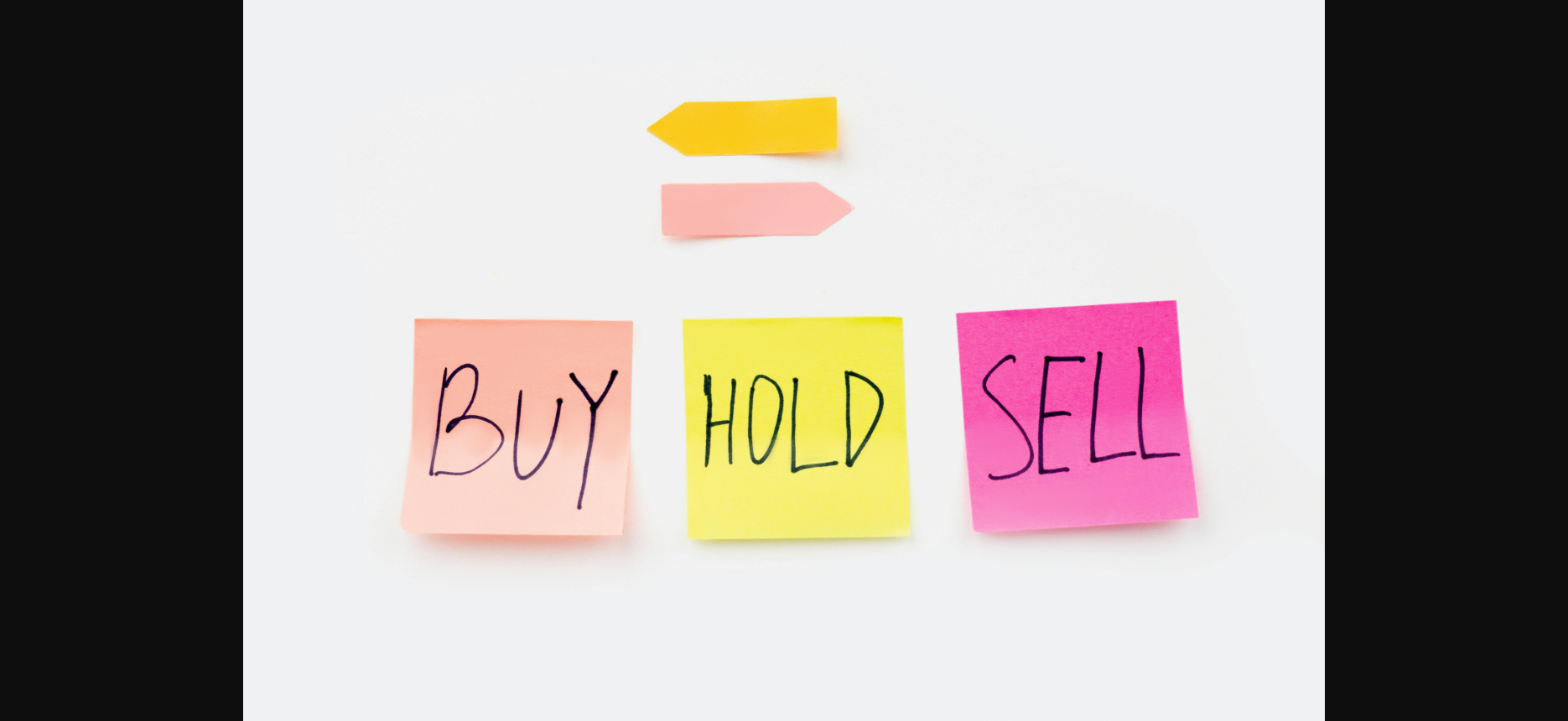
When selling gift cards on INWISH, you're faced with a crucial decision: accept a Quick Sale offer or list at Market Rate. Both options have distinct advantages, and choosing the right one depends on your specific situation.
The Two Selling Options Explained
Quick Sale
An instant offer from INWISH based on current market conditions. Accept it and receive payment immediately.
Market Rate
List your card at a competitive price and wait for a buyer. Potentially higher returns, but requires patience.
Head-to-Head Comparison
| Factor | Quick Sale | Market Rate |
|---|---|---|
| Speed | ⚡ Instant | ⏰ Hours to Days |
| Payout Rate | 80-88% of face value | 88-95% of face value |
| Guaranteed Sale | ✅ Yes | ❌ No |
| Effort Required | Minimal | Moderate |
| Best For | Urgent needs | Maximum value |
| Risk Level | None | Low (price fluctuation) |
Quick Sale: The Fast Track
When to Choose Quick Sale
Choose Quick Sale if you:
→ Need cash immediately for bills or emergencies → Have a card from a less popular brand → Prefer certainty over potentially higher returns → Don't want to monitor your listing → Value convenience above all else
Quick Sale Rates by Brand
| Brand | Typical Quick Sale Rate |
|---|---|
| Amazon | 85-88% |
| Target | 82-85% |
| Walmart | 80-84% |
| Best Buy | 78-82% |
| Specialty Stores | 70-78% |
Pros of Quick Sale
✓ Instant gratification - Money in your account within minutes ✓ Zero wait time - No checking for buyers ✓ Guaranteed transaction - No risk of card expiring while listed ✓ Simple process - Accept offer and you're done
Cons of Quick Sale
✗ Lower payout compared to market rates ✗ Less flexibility in pricing ✗ May feel like leaving money on the table
Market Rate: The Patient Approach
When to Choose Market Rate
Choose Market Rate if you:
→ Can afford to wait for the right buyer → Have cards from highly sought-after brands → Want to maximize every dollar → Enjoy optimizing your returns → Have multiple cards to sell
Market Rate Expectations by Brand
| Brand | Market Rate Range | Avg. Time to Sell |
|---|---|---|
| Amazon | 92-95% | 2-6 hours |
| Target | 88-92% | 4-12 hours |
| Walmart | 86-90% | 6-24 hours |
| Best Buy | 84-88% | 12-48 hours |
| Specialty Stores | 78-85% | 1-5 days |
Pros of Market Rate
✓ Higher returns - Typically 5-10% more than Quick Sale ✓ Price control - Set your own asking price ✓ Market insight - Learn card values over time ✓ Potential premium - High-demand cards can exceed typical rates
Cons of Market Rate
✗ Requires patience and monitoring ✗ No guaranteed sale ✗ Price may need adjustment if not selling ✗ Market conditions can change
Real-World Scenarios
Scenario 1: The Emergency Fund
Situation: You received a $100 Amazon gift card but need to pay an unexpected $90 car repair bill today.
Recommendation: ⚡ Quick Sale
Why: Time is critical. The Quick Sale at ~87% ($87) covers your immediate need. Waiting for a Market Rate buyer could cost you late fees or additional repair costs.
Scenario 2: The Holiday Haul
Situation: After the holidays, you have five gift cards totaling $500 from various stores. No immediate need for cash.
Recommendation: 📈 Market Rate
Why: Without urgency, listing at Market Rate could net you $450-$475 versus $400-$440 with Quick Sale. That's potentially $35+ extra for your patience.
Scenario 3: The Obscure Card
Situation: You have a $50 gift card from a regional restaurant chain that's not widely popular.
Recommendation: ⚡ Quick Sale
Why: Less popular brands have smaller buyer pools. A Quick Sale guarantees you'll convert the card rather than having it sit unsold or potentially lose value.
Scenario 4: The Prime Day Opportunity
Situation: It's the week before Amazon Prime Day, and you have several Amazon gift cards.
Recommendation: 📈 Market Rate
Why: Demand for Amazon cards spikes before major sales events. Market Rate listings may sell faster AND at higher prices during these periods.
The Hybrid Strategy
For sellers with multiple cards, consider a hybrid approach:
- Quick Sale less popular or lower-value cards
- Market Rate high-demand cards (Amazon, Target, popular gaming)
- Monitor and adjust - Switch from Market Rate to Quick Sale if urgency changes
Decision Framework
Ask yourself these questions:
START
  │
  ▼
Do you need money TODAY?
  │
  ├── YES → Quick Sale
  │
  └── NO → Is the card from a popular brand?
              │
              ├── YES → Market Rate
              │
              └── NO → How patient are you?
                          │
                          ├── Very → Market Rate (lower price)
                          │
                          └── Not Very → Quick Sale
Pro Tips for Each Option
Quick Sale Tips
- Check rates at different times of day (slight variations occur)
- Sell during business hours for fastest processing
- Have your payout method ready beforehand
Market Rate Tips
- Price competitively - check similar listings first
- Be willing to adjust price after 24-48 hours
- Consider timing - major shopping events increase demand
- Respond quickly to buyer inquiries
The Bottom Line
| Choose Quick Sale When | Choose Market Rate When |
|---|---|
| Time matters most | Value matters most |
| Card brand is niche | Card brand is popular |
| You want zero hassle | You enjoy optimization |
| Single card to sell | Multiple cards to sell |
| Emergency cash needs | Planned selling |
Our Recommendation
For most sellers: Start with Market Rate for a 24-48 hour period. If your card doesn't sell, switch to Quick Sale. This gives you the best chance at maximum value while maintaining a guaranteed exit strategy.
Remember: Any money recovered from unused gift cards is better than letting them expire or sit forgotten in a drawer.
Data based on INWISH marketplace trends. Actual rates vary by card balance, brand, and market conditions.
Ready to Trade Gift Cards?
Join thousands of users who trust Inwish for safe and convenient gift card trading.
Related Articles
February 23, 2026
How to Convert Home Depot Gift Cards to Cash or Crypto on Digital Exchanges (2026)

February 23, 2026
Google Play Gift Card Region Locks: Cross-Border Trading Rules and Workarounds (2026)
February 22, 2026
How to Save on Foot Locker Sneaker Drops Using Discounted Gift Cards (2026)

February 21, 2026
eBay Gift Card Balance Check: How to Verify, Troubleshoot, and Prepare Cards for Trading (2026)
February 21, 2026
Your First Gift Card Trade on a Digital Asset Exchange: Step-by-Step Walkthrough (2026)

February 21, 2026