
Latin American Gift Card Ecosystem Emerges as Global Growth Catalyst: Regional Market Deep Dive and Investment Outlook
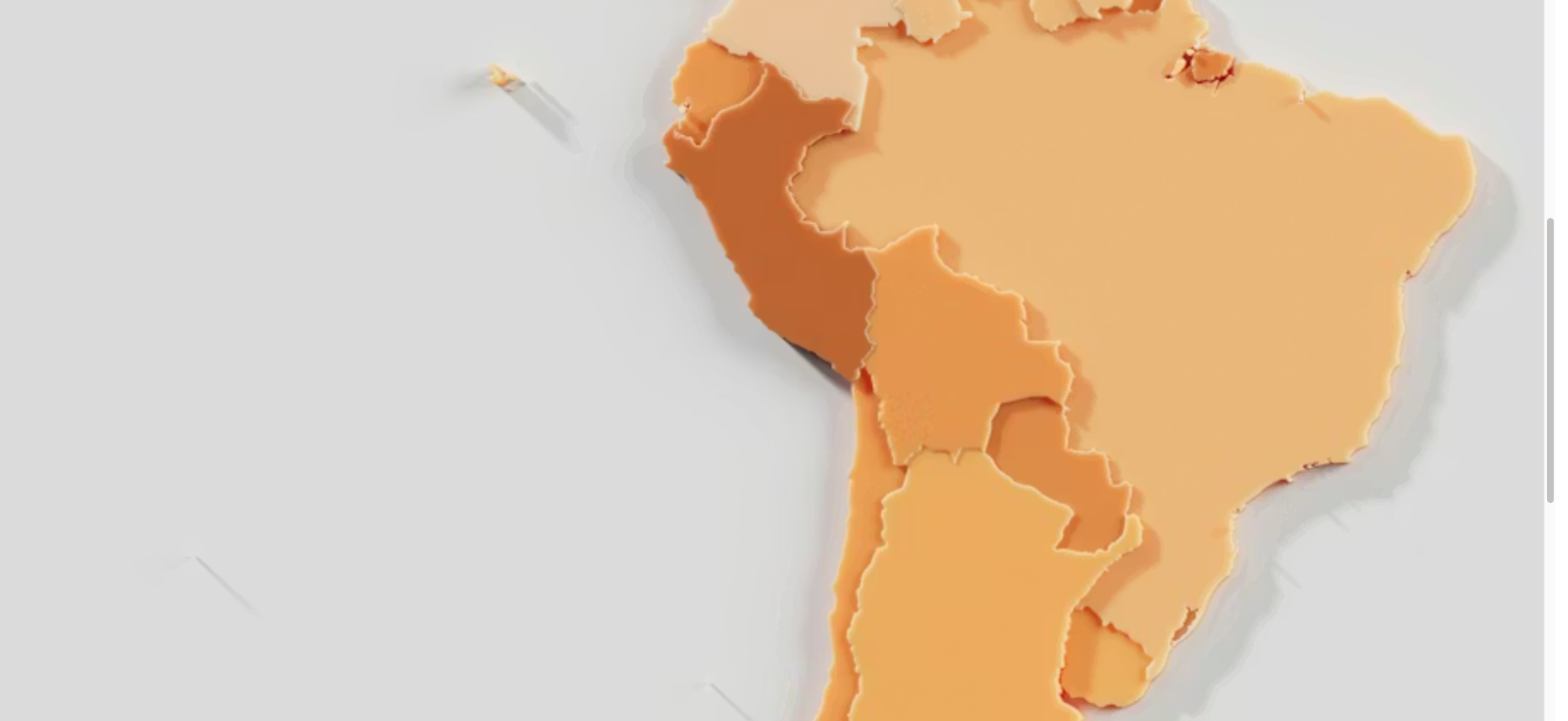
Latin American Gift Card Ecosystem: Regional Market Deep Dive
REGIONAL MARKET ANALYSIS | Q1 2026
Exploring the fastest-growing gift card market in the developing world
Market Overview
Latin America has emerged as the gift card industry's most dynamic growth region, with compound annual growth rates exceeding 23% over the past three years. This analysis examines the structural factors driving adoption, profiles key national markets, and identifies opportunities for platform operators and traders.
Regional Growth Drivers
Financial Inclusion Revolution
Approximately 45% of Latin America's adult population remains unbanked or underbanked. Gift cards and stored-value products are filling critical gaps in financial services infrastructure:
Mexico: Government social programs increasingly distribute benefits via stored-value cards, normalizing the format among previously cash-dependent populations.
Brazil: Fintech explosion has created dozens of digital wallet platforms accepting gift card deposits, dramatically expanding use cases.
Colombia: Regulatory reforms in 2024 established gift cards as legitimate remittance instruments, opening cross-border transfer applications.
E-Commerce Acceleration
Regional e-commerce penetration jumped from 6% to 14% between 2020 and 2025. Gift cards serve as crucial payment bridges for consumers lacking traditional banking relationships:
- Amazon gift cards enable purchases for users without international credit cards
- Gaming platform credits bypass foreign transaction restrictions
- Streaming service gift cards circumvent currency conversion complications
Currency Hedging Behavior
In economies experiencing chronic inflation, consumers increasingly treat stable-currency gift cards as informal savings instruments:
Argentina: Dollar-denominated gift card demand surged 340% following 2024 currency crisis, as consumers sought value preservation mechanisms.
Venezuela: International gift cards function as parallel currency system, with active secondary markets in major cities.
Country Profiles
Brazil: Market Leader
Market Size: Estimated $4.2 billion (2025) Growth Rate: 18% annually Key Categories: Gaming, streaming, retail
Brazil represents approximately 45% of regional gift card volume. Key characteristics include:
- Sophisticated domestic retail programs (Americanas, Magazine Luiza)
- Strong gaming culture driving Steam, PlayStation, and Xbox demand
- Pix instant payment system enabling rapid gift card purchases
- Regulatory framework treating gift cards as prepaid instruments under Central Bank oversight
Trading Implications: Brazilian Real volatility creates arbitrage opportunities for traders who can navigate currency exposure.
Mexico: Fastest Growth
Market Size: Estimated $1.8 billion (2025) Growth Rate: 28% annually Key Categories: Retail, dining, entertainment
Mexico's market benefits from proximity to the United States and deep cross-border economic integration:
- Remittance-linked gift card products gaining rapid adoption
- Walmart Mexico operates region's largest gift card program
- Strong presence of U.S. brands (Starbucks, Amazon, Netflix) drives demand
- Regulatory environment remains permissive for gift card trading
Trading Implications: USD-MXN exchange rate movements significantly impact cross-border gift card valuations.
Argentina: High Volatility, High Opportunity
Market Size: Estimated $800 million (2025) Growth Rate: 45% annually (nominal) Key Categories: International retail, streaming, gaming
Argentina's economic instability creates unique market dynamics:
- Extreme demand for dollar-denominated products
- Complex currency controls creating premium pricing for international cards
- Active informal trading networks supplementing official channels
- Government attempting to regulate gift card imports as foreign exchange instruments
Trading Implications: Significant spreads available but counterparty risk elevated; due diligence essential.
Colombia: Emerging Opportunity
Market Size: Estimated $600 million (2025) Growth Rate: 22% annually Key Categories: E-commerce, gaming, telecommunications
Colombia's stable economic environment and growing middle class make it increasingly attractive:
- Regulatory clarity improving following 2024 financial services reforms
- Rappi and other local platforms integrating gift card functionality
- Strong mobile penetration enabling digital card adoption
- Cross-border remittance applications expanding market size
Trading Implications: Lower volatility than Southern Cone markets but correspondingly tighter margins.
Regulatory Landscape
Current Framework
Regulatory approaches vary significantly across the region:
Permissive: Mexico, Peru, Chile maintain minimal gift card-specific regulations, treating them as general commercial instruments.
Moderate: Brazil, Colombia have established prepaid instrument frameworks with consumer protection requirements but limited trading restrictions.
Restrictive: Argentina, Venezuela impose foreign exchange controls affecting international gift card availability and pricing.
Emerging Trends
Several regulatory developments warrant monitoring:
Anti-Money Laundering Focus: Regional FATF evaluations are pressuring governments to strengthen gift card transaction monitoring.
Consumer Protection Expansion: Brazilian Congress is considering legislation requiring gift card expiration disclosure and balance portability.
Cross-Border Harmonization: Pacific Alliance countries exploring mutual recognition of stored-value regulations.
Trading Opportunities
Arbitrage Windows
Regional market inefficiencies create recurring arbitrage opportunities:
Currency Dislocation Events: Major currency movements create temporary pricing mismatches between local and international gift card markets.
Product Launch Gaps: Delayed regional availability of gaming content creates premium windows for early-access gift cards.
Seasonal Demand Spikes: Holiday periods (especially December and Children's Day in October) generate predictable demand surges.
Risk Considerations
Latin American trading carries distinct risk factors:
Currency Risk: Peso and Real movements can rapidly erode margins on cross-border trades.
Regulatory Risk: Policy changes can occur with limited notice, particularly in Argentina and Venezuela.
Counterparty Risk: Less established trading infrastructure increases settlement risk.
Operational Complexity: Multiple currencies, time zones, and regulatory frameworks require sophisticated management.
Strategic Recommendations
For Platform Operators
Localize Payment Options: Integrate with regional payment methods (Pix, OXXO, Mercado Pago) to capture unbanked demand.
Build Local Partnerships: Regional retail relationships can provide competitive inventory access and pricing.
Monitor Regulatory Developments: Establish relationships with local legal counsel to anticipate policy changes.
For Individual Traders
Start with Stable Markets: Brazil and Mexico offer sufficient volume with manageable complexity for regional market entry.
Hedge Currency Exposure: Consider natural hedging strategies when holding regional inventory.
Diversify Counterparties: Avoid concentration risk by distributing activity across multiple regional partners.
Outlook
Latin America's gift card market is projected to reach $12 billion by 2028, representing a tripling from current levels. Key catalysts include:
- Continued financial inclusion progress
- E-commerce penetration approaching developed market levels
- Regional economic stabilization supporting consumer spending
- Infrastructure improvements reducing transaction friction
The region presents compelling opportunities for traders willing to navigate its complexity. Success requires regional expertise, robust risk management, and patience with developing market infrastructure.
Analysis prepared by INWISH Regional Markets Research Team
Data sources: Regional central bank reports, industry association surveys, INWISH platform transaction data
Ready to Trade Gift Cards?
Join thousands of users who trust Inwish for safe and convenient gift card trading.
Related Articles
February 23, 2026
How to Convert Home Depot Gift Cards to Cash or Crypto on Digital Exchanges (2026)

February 23, 2026
Google Play Gift Card Region Locks: Cross-Border Trading Rules and Workarounds (2026)

February 22, 2026
How to Save on Foot Locker Sneaker Drops Using Discounted Gift Cards (2026)

February 21, 2026
eBay Gift Card Balance Check: How to Verify, Troubleshoot, and Prepare Cards for Trading (2026)
February 21, 2026
Your First Gift Card Trade on a Digital Asset Exchange: Step-by-Step Walkthrough (2026)

February 21, 2026