
Neosurf Voucher Resale Margins, Regional Arbitrage, and Seller Fraud Prevention Guide (2026)
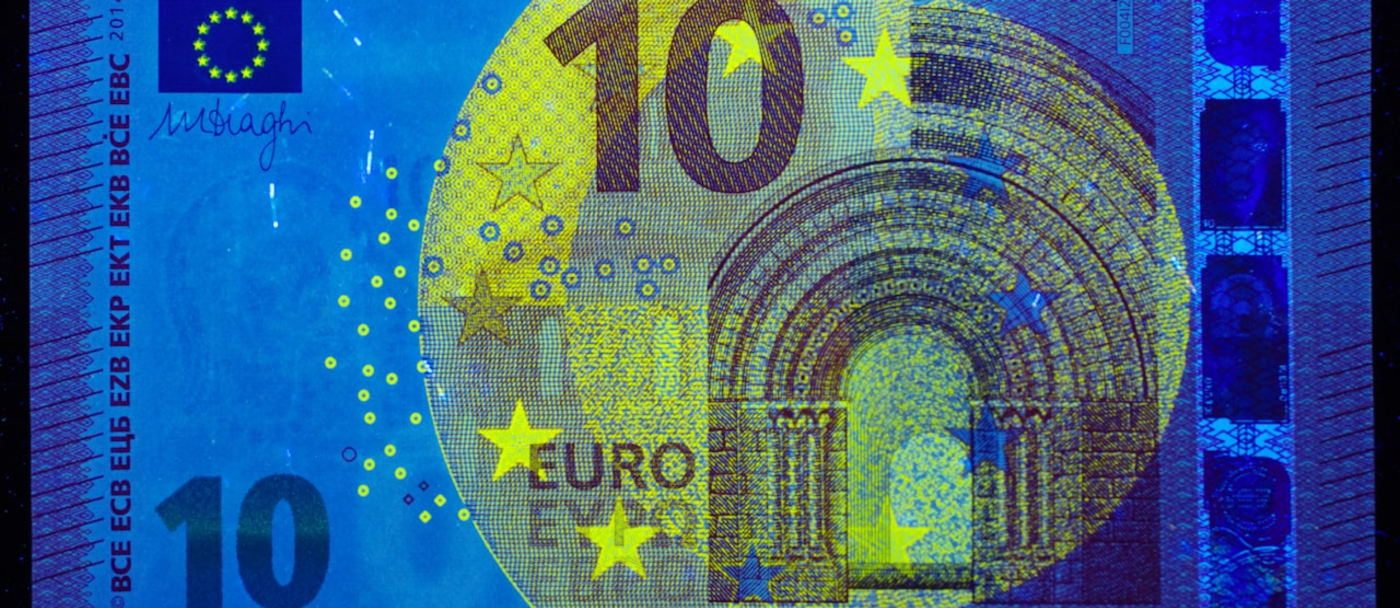
Neosurf vouchers occupy a peculiar corner of the prepaid resale market. Unlike mainstream retail gift cards that trade within well-established domestic exchanges, Neosurf operates across dozens of countries with different currency denominations, creating regional pricing gaps that savvy sellers can exploit. This guide focuses exclusively on the seller side of Neosurf voucher trading, covering margin structures, cross-border arbitrage mechanics, fraud threats, and a disciplined approach to liquidating voucher inventory in 2026.
Neosurf Resale Market Fundamentals
The secondary market for Neosurf vouchers differs from typical gift card resale in several important ways. First, Neosurf is a prepaid payment voucher rather than a store-branded gift card, which means its value is not tied to a single retailer but rather to any merchant accepting Neosurf payments. This broader utility theoretically supports higher resale rates, but the relatively smaller merchant acceptance network compared to Visa or Mastercard prepaid cards limits the buyer pool.
Neosurf vouchers typically resell at seventy to eighty-five percent of face value on secondary platforms. The wide spread reflects significant variation by denomination, currency, and region. Lower denomination vouchers in the ten to twenty euro range tend to attract weaker rates because transaction costs consume a larger share of the deal. Higher denomination vouchers of fifty euros or more command better percentage returns as the fixed costs of platform fees and verification become proportionally smaller.
The buyer demographic for Neosurf on secondary markets skews heavily toward online gaming, entertainment services, and privacy-focused purchasers. Understanding who buys these vouchers helps sellers time their listings and set competitive prices. Demand spikes around major gaming releases, seasonal promotions on entertainment platforms, and periods when privacy concerns drive consumers away from card-linked payments.
Regional Pricing Gaps and Arbitrage Opportunities
The most distinctive feature of the Neosurf resale market is the pricing differential between regions. Because Neosurf vouchers are denominated in local currencies and purchased at fixed exchange rates, gaps emerge when currency markets move while voucher prices remain static.
European vouchers denominated in euros represent the largest and most liquid segment. Within this market, vouchers purchased in France or Belgium where retail availability is highest tend to carry slightly lower resale premiums due to abundant supply. Vouchers from markets with more limited retail distribution, such as certain Eastern European or African countries, can command higher rates when denominated in locally scarce currencies that buyers in those regions need.
The arbitrage opportunity works as follows. A seller acquires vouchers in a region where they are readily available at face value or at small retail markups. Those same vouchers are then listed on platforms serving regions where Neosurf availability is more limited and buyers are willing to pay closer to face value for the convenience of immediate digital delivery. The spread between acquisition cost and resale price in the target market represents the arbitrage margin.
However, this cross-border approach introduces complications. Currency conversion fees reduce margins on transactions that cross currency zones. Platform terms of service may restrict or complicate cross-border listings. Buyers in some regions may have specific denomination preferences that do not match the vouchers available in the seller's acquisition market.
Successful regional arbitrage requires careful tracking of acquisition costs including any retail markups, platform fees in both the buying and selling regions, currency conversion rates at the time of listing versus the time of payout, and the typical sell-through time for vouchers in the target market. Margins that appear attractive on paper can evaporate quickly when all these friction costs are properly accounted for.
Seller Workflow for Neosurf Liquidation
The process of selling Neosurf vouchers requires more attention to detail than standard gift card sales because of the voucher format and verification requirements unique to prepaid payment codes.
Begin by organizing your voucher inventory. Record each voucher's denomination, currency, purchase date, acquisition cost, and the ten-digit code. Store this information securely, as the codes represent immediate monetary value and cannot be recovered if stolen. Never photograph voucher codes in a way that exposes them to cloud backup services or shared photo libraries.
Verify each voucher's balance before listing. Neosurf provides balance checking through its official website. Confirm that the full face value remains available, as partially redeemed vouchers require separate handling and typically attract lower rates. Document the verification with a timestamp for dispute resolution purposes.
Select your selling platform based on the target buyer region and the currencies you are working with. Platforms specializing in European digital payments will offer the best liquidity for euro-denominated vouchers. Broader international gift card exchanges may reach more diverse buyer pools but with lower Neosurf-specific demand.
Set your listing price based on current market rates for your specific denomination and currency combination. Avoid pricing based on general Neosurf averages, as the rate for a ten-euro voucher in a saturated market can differ significantly from a fifty-euro voucher in a supply-constrained region.
Once a buyer is matched, transfer the voucher code through the platform's secure messaging or transfer system only. The code delivery mechanism should provide proof of transmission and timestamp confirmation. After the buyer confirms the code is valid and the balance is correct, payment releases through the platform's settlement process.
Fraud Schemes Targeting Neosurf Sellers
The anonymous and irreversible nature of prepaid vouchers makes Neosurf a frequent target for fraud, and sellers face distinct threat patterns that differ from buyer-side risks.
Code interception remains the primary seller vulnerability. When voucher codes are transmitted through insecure channels such as email, messaging apps, or social media, they can be intercepted and redeemed before the legitimate buyer receives them. The seller then faces a dispute with no code value remaining and no way to reverse the redemption. Always use platform-integrated secure transfer mechanisms that encrypt and log code delivery.
Fabricated confirmation fraud occurs when a buyer claims to have received an invalid or empty code and requests a replacement or refund. In reality, the buyer has already redeemed the original code and is attempting to extract a second voucher. Sellers can protect against this by using platforms that independently verify voucher balances at the point of transfer and maintain transaction logs that record the balance state before and after code delivery.
Social engineering attacks target sellers through fake platform notifications. A scammer sends an email that mimics the selling platform's interface, informing the seller that a buyer has paid and requesting the voucher code be sent to a specified address. The seller transmits the code believing the transaction is legitimate, but no actual purchase occurred on the platform. Always verify transaction status by logging into the platform directly rather than following links in emails or messages.
Chargeback exploitation represents a growing threat on platforms that accept credit card payments from buyers. A buyer purchases your voucher using a credit card, redeems the code immediately, and then files a chargeback with their card issuer claiming the transaction was unauthorized. The platform reverses the payment to the seller while the voucher value is already consumed. Selling on platforms that use non-reversible payment methods for buyer funding significantly reduces this risk.
Bulk purchase manipulation involves a buyer placing multiple orders for vouchers at attractive prices to build trust with the seller, then placing a larger final order with a fraudulent payment method. The escalation pattern is designed to lower the seller's guard through a series of successful small transactions before executing the main fraud on a high-value deal.
Pricing Decision Framework
Before listing any Neosurf voucher for sale, work through this structured evaluation to maximize your return.
Calculate your all-in acquisition cost. Include the voucher face value, any retail markup paid at purchase, travel or logistics costs if applicable, and the time cost of acquisition. This establishes your true cost basis against which the resale price must deliver a positive margin.
Research current platform rates for your exact denomination and currency. Check at least two platforms to establish a competitive range. Note the spread between the highest and lowest offers, as a wide spread may indicate market uncertainty or limited liquidity.
Factor in platform fees and payment processing costs. Most platforms charge sellers between five and twelve percent of the transaction value. Payment withdrawal methods carry their own fees, with bank transfers typically cheaper than cryptocurrency or e-wallet cashouts.
Evaluate the sell-through timeline. Vouchers priced competitively at the current market rate should sell within one to three days on active platforms. Vouchers priced at a premium above market may sit for a week or longer, during which time you bear the risk of code compromise or market rate deterioration.
Compare the net resale payout against alternative uses. If you can use the Neosurf voucher for a personal purchase that would otherwise cost you full retail price, the effective value of personal use may exceed the net cash payout from resale.
Frequently Asked Questions
What resale rate should I expect for Neosurf vouchers?
Rates vary significantly by denomination and region, but most sellers can expect seventy-five to eighty-three percent of face value on established platforms. Higher denomination vouchers and those in supply-constrained markets may reach eighty-five percent during peak demand periods.
Can I sell Neosurf vouchers from any country?
Most international platforms accept vouchers from any country where Neosurf operates, but local regulations and platform terms may restrict certain currency denominations or require additional identity verification for cross-border transactions. Check your platform's specific policies before listing.
How do I protect my voucher codes during the selling process?
Never share codes through unencrypted channels. Use only platform-integrated transfer systems that log delivery timestamps and encrypt code transmission. Store unsold voucher codes in a secure password manager or encrypted file rather than in plain text documents or photos.
What happens if a buyer disputes a valid code I delivered?
On platforms with built-in balance verification, the transaction log showing the code was valid at delivery typically protects the seller. On platforms without this feature, disputes become more difficult to resolve. Always choose platforms that verify balances independently at the time of code transfer.
Conclusion
Selling Neosurf vouchers profitably requires a different mindset from standard gift card resale. The cross-border dimension introduces both opportunity and complexity that sellers must manage carefully. Regional pricing gaps create real arbitrage potential, but only when all friction costs are properly calculated and the fraud risks inherent to anonymous prepaid instruments are systematically mitigated. Sellers who maintain organized inventory records, use secure transfer protocols, and price their vouchers based on specific denomination and regional data rather than generic averages will consistently outperform those who approach Neosurf resale casually.
Ready to Trade Gift Cards?
Join thousands of users who trust Inwish for safe and convenient gift card trading.
Related Articles

February 23, 2026
How to Convert Home Depot Gift Cards to Cash or Crypto on Digital Exchanges (2026)

February 23, 2026
Google Play Gift Card Region Locks: Cross-Border Trading Rules and Workarounds (2026)
February 22, 2026
How to Save on Foot Locker Sneaker Drops Using Discounted Gift Cards (2026)

February 21, 2026
eBay Gift Card Balance Check: How to Verify, Troubleshoot, and Prepare Cards for Trading (2026)
February 21, 2026
Your First Gift Card Trade on a Digital Asset Exchange: Step-by-Step Walkthrough (2026)

February 21, 2026