
How to Verify a Gift Card Before Buying It Secondhand: Authentication, Balance Checks, and Red Flags (2026)
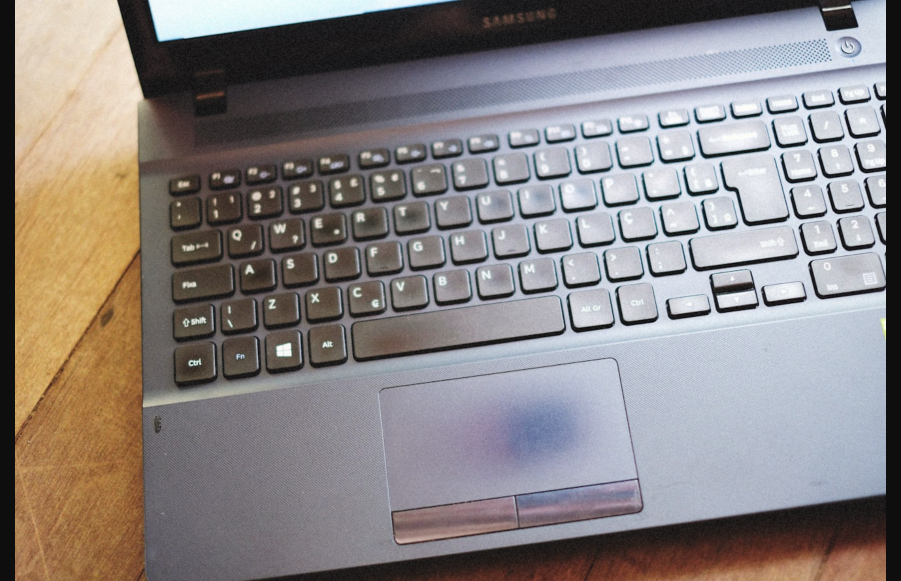
Buying gift cards on the secondary market offers significant savings—often 10–25% below face value—but the discount only matters if the card is legitimate and carries the balance the seller claims. Every year, buyers lose thousands of dollars to drained cards, tampered packaging, and counterfeit codes. A five-minute verification routine before handing over your money eliminates nearly all of that risk.
This guide provides a complete framework for verifying any gift card before purchasing it secondhand, whether you are buying in person, through a peer-to-peer marketplace, or from a bulk reseller.
Why Secondhand Gift Cards Need Verification
Gift cards are bearer instruments: whoever holds the card number and PIN controls the balance. That design makes them convenient but also vulnerable. A seller can photograph the card details, sell the physical card to you, and then redeem the balance online before you get a chance to use it. Tampered cards in retail racks, cloned magnetic strips, and counterfeit card stock add further layers of risk.
The secondary market has grown rapidly, and most platforms now include escrow protection and dispute resolution. But even on trusted platforms, the buyer still bears the responsibility of verifying the card promptly after receiving it. Delays give dishonest sellers a window to drain the balance.
Step 1: Inspect the Physical Card
If you are buying a physical gift card, start with a visual and tactile inspection.
Check the PIN scratch-off panel. The silver or gray coating over the PIN should be completely intact with no signs of scratching, peeling, or re-application. Hold the card at an angle under bright light—recoated PINs often show a slightly different texture or color compared to the factory original.
Examine the packaging. Retail gift cards are typically mounted on a cardboard backer with a sealed barcode area. If the packaging has been opened, resealed with tape, or shows pry marks along the edges, the card may have been compromised. Walk away from any card whose packaging looks tampered with.
Feel the card stock. Authentic gift cards from major retailers use specific card stock weights and finishes. A card that feels unusually thin, flexible, or has a different texture from other cards of the same brand could be counterfeit.
Step 2: Verify the Balance in Real Time
Never rely on the seller's word or a screenshot of the balance. Always verify the balance yourself using the retailer's official channels.
Balance Verification Methods by Retailer Type
| Verification Method | How It Works | Speed |
|---|---|---|
| Retailer website | Enter card number + PIN on the retailer's balance-check page | Instant |
| Phone hotline | Call the number on the back of the card and follow automated prompts | 1–2 minutes |
| In-store POS check | Ask a cashier to scan the card and display the balance on screen | Instant |
| Retailer mobile app | Some brands (Target, Starbucks, Amazon) let you add the card to the app for instant balance display | Instant |
Always use the retailer's official domain—never a third-party balance checker that asks for your card details. Phishing sites disguised as balance checkers are a common way to steal card data.
If you are buying through an online marketplace, ask the seller to provide the card number and PIN through the platform's secure messaging system so you can verify the balance before the escrow releases your payment. Reputable platforms like Inwish hold the buyer's payment in escrow until the card balance is confirmed, which protects both parties.
Step 3: Cross-Reference the Card Number Format
Every retailer issues gift cards with a specific number format: a fixed prefix, a set number of digits, and sometimes a specific check-digit algorithm. While most buyers do not memorize these formats, a quick online search for "[retailer name] gift card number format" will reveal the expected pattern.
If the card number does not match the known format—wrong prefix, wrong digit count, or unexpected characters—the card is likely counterfeit or from a different program than advertised.
Step 4: Watch for Common Red Flags
Experienced secondhand buyers learn to recognize warning signs that indicate a card is risky. Here are the most common red flags and what they mean.
Red Flag Quick-Reference Table
| Red Flag | What It Suggests | Action |
|---|---|---|
| Seller refuses to share card number for pre-purchase balance check | Card may be drained or non-existent | Walk away |
| Balance screenshot is a flat image (no live screen recording) | Screenshot could be edited | Request live video or check balance yourself |
| Price is suspiciously low (below 60% of face value) | Likely stolen, fraudulent, or already partially drained | Avoid—legitimate cards rarely sell below 70% |
| Seller pressures you to complete the deal immediately | May be racing to drain the card before you verify | Take your time; urgency is a scam tactic |
| Card was "just purchased" but seller wants to sell immediately | Possible return fraud or stolen purchase | Ask for proof of purchase |
| Multiple cards of the same high denomination from one seller | Bulk stolen or generated cards | Proceed only on platforms with strong escrow and fraud protections |
| PIN area has been scratched and re-covered | PIN was likely recorded before sale | Reject the card |
Step 5: Use Platform Protections
When buying through a marketplace, take full advantage of the platform's built-in protections.
Escrow: The buyer's payment is held by the platform until the buyer confirms the card works. Never pay a seller directly outside the platform's payment system—doing so forfeits your dispute rights.
Dispute window: Most platforms give buyers a fixed window (typically 24–72 hours) to verify the card and raise a dispute if the balance is wrong. Verify the card immediately after receiving the details and raise a dispute within the window if anything is off.
Seller ratings and history: Check the seller's trade count, rating, and feedback history before buying. Sellers with hundreds of completed trades and positive feedback are far less likely to sell fraudulent cards than new accounts with no history.
Platform fees and payout structures vary. Understanding how different platforms compare on fees helps you choose the safest and most cost-effective marketplace for your purchase.
Step 6: Test the Card With a Small Transaction
If you have verified the balance and everything checks out, but you are still uneasy, test the card with a small online purchase before committing to the full balance. Add the card as a payment method on the retailer's website, place a small order (a $1–$5 item), and confirm the transaction processes successfully. If the small transaction clears, the card is almost certainly legitimate.
This step is especially useful for high-denomination cards ($200+) where the financial risk is significant.
Cost of Verification vs. Cost of Loss
Some buyers skip verification because it takes a few minutes. Here is the math on why those minutes matter.
| Card Face Value | Typical Discount (Secondhand) | Your Cost | Potential Loss if Card is Fraudulent |
|---|---|---|---|
| $50 | 15% | $42.50 | $42.50 |
| $100 | 12% | $88.00 | $88.00 |
| $200 | 10% | $180.00 | $180.00 |
| $500 | 8% | $460.00 | $460.00 |
Spending five minutes on verification protects hundreds of dollars. For a comprehensive walkthrough of how to sell cards safely on the other side of the transaction, see our complete selling guide.
What to Do If You Receive a Fraudulent Card
If verification reveals that the card balance is lower than advertised, or the card is completely drained, take these steps immediately:
- Do not close the chat or messaging thread with the seller—this is your evidence.
- File a dispute through the platform's resolution system within the dispute window.
- Provide screenshots of the balance check showing the discrepancy.
- If you paid via a method with buyer protection (credit card, PayPal), contact your payment provider to initiate a chargeback as a backup.
- Report the seller's profile to the platform so they can investigate and potentially ban the account.
If you paid with cryptocurrency, recovery is much harder because crypto transactions are irreversible once confirmed on the network. This is why escrow platforms are critical for crypto-funded gift card purchases.
Frequently Asked Questions
Can a gift card be drained after I verify the balance?
Yes, if the seller still has the card number and PIN. This is why buying through an escrow platform is essential: the seller does not receive payment until you confirm the card works, and once you confirm, you should redeem or use the card immediately so the seller cannot drain it afterward.
Is it safe to buy gift cards from strangers on social media?
It is risky because social media platforms do not offer escrow protection or dispute resolution for gift card trades. If the card turns out to be fraudulent, you have almost no recourse. Always use a dedicated marketplace with buyer protections.
How quickly should I verify a secondhand gift card after receiving it?
Immediately. Most platform dispute windows are 24–72 hours, but the sooner you verify, the less time a dishonest seller has to act. Aim to check the balance within minutes of receiving the card details.
Do all retailers let me check the gift card balance online?
Most major retailers offer online balance checking, but some smaller brands require a phone call or in-store visit. Before buying a card from a less common brand, verify that a balance-check method exists so you can confirm the balance before the escrow window closes.
What percentage below face value is normal for secondhand gift cards?
Discounts typically range from 5% to 25% depending on the brand, denomination, and demand. Popular brands like Amazon, Target, and Walmart trade at smaller discounts (5–12%), while niche or less liquid brands may sell at 15–25% below face value. Anything below 60% of face value is a major red flag.
Should I buy physical or digital gift cards on the secondary market?
Digital cards (eGift codes) are faster to verify because you can check the balance immediately without waiting for shipping. Physical cards offer the advantage of inspecting the packaging and PIN area for tampering. Both are safe when purchased through escrow-protected platforms.
Ready to Trade Gift Cards?
Join thousands of users who trust Inwish for safe and convenient gift card trading.
Related Articles

February 23, 2026
How to Convert Home Depot Gift Cards to Cash or Crypto on Digital Exchanges (2026)

February 23, 2026
Google Play Gift Card Region Locks: Cross-Border Trading Rules and Workarounds (2026)

February 22, 2026
How to Save on Foot Locker Sneaker Drops Using Discounted Gift Cards (2026)

February 21, 2026
eBay Gift Card Balance Check: How to Verify, Troubleshoot, and Prepare Cards for Trading (2026)
February 21, 2026
Your First Gift Card Trade on a Digital Asset Exchange: Step-by-Step Walkthrough (2026)

February 21, 2026